
The Best Beaches in Okinawa: Snorkeling Lagoons, Secret Coves & Crystal Waters
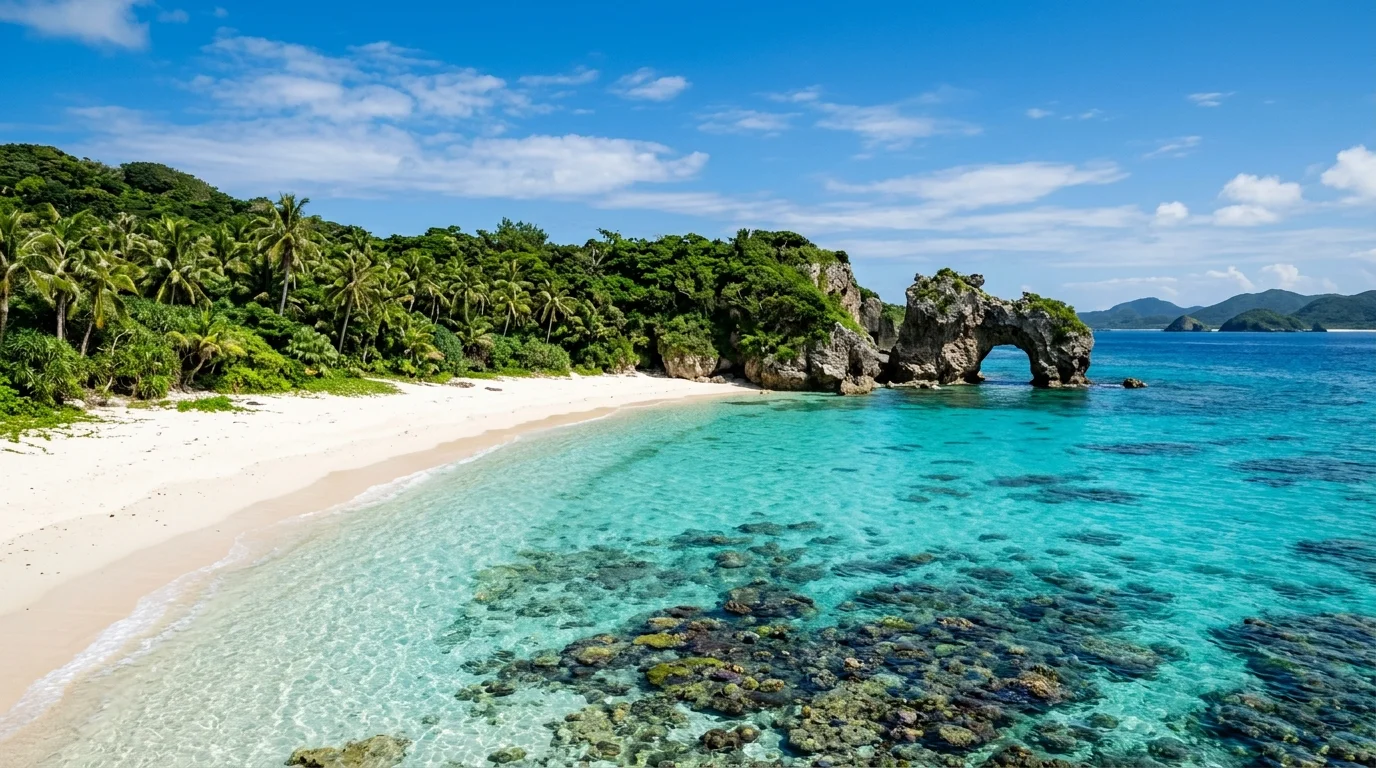
With over 150 islands scattered between Kyushu and Taiwan, the Ryukyu archipelago boasts some of the most vibrant marine lagoons in the Pacific. Locals call this mesmerizing gradient of emerald and deep turquoise "Okinawa Blue." Yet not every beach offers the same experience. Between crowded resort strips, rocky tidal flats where swimming is impossible at low tide, and pristine natural reefs brimming with clownfish, choosing the right spot makes all the difference.
Make Breizh & Ryukyu your preferred source on Google
Get our newest Okinawa stories, travel tips and itineraries featured directly in your search results.
⚡Quick Summary: Which Okinawa Beach Is Right for You?
The 4 Golden Rules Before Entering the Water in Okinawa
Before donning your mask and snorkel, understanding the local marine environment is crucial for both your personal safety and reef conservation:
1. Respect the Crucial Rhythm of the Tides (Shio)
Okinawa is encircled by shallow fringing coral reefs. At low tide, the sea recedes far offshore, leaving the live reef table exposed in just 30 cm of water. Swimming over sharp coral at low tide is dangerous for you and fatal to the living coral. Check local tide tables daily: snorkeling is best planned from mid-incoming tide to high tide, when water depth over the reef exceeds 1.5 meters.
2. Box Jellyfish Awareness (Habu Kurage)
From June through early October, box jellyfish (Habu Kurage) can venture into calm coastal shallows. Their translucent tentacles cause intense burning stings. On developed resort beaches, always swim inside designated stinger-net zones. When swimming at wild, unmonitored coves, always wear a long-sleeve UV rashguard and swim leggings.
3. Strict Reef Protection & Mineral Sunscreen
Never stand or rest your fins on live coral heads. Chemical sunscreens containing oxybenzone and octinoxate bleach coral reefs and harm juvenile marine life. Always choose certified reef-safe mineral sunscreens formulated with non-nano zinc oxide or titanium dioxide.
4. Rip Currents & Unpatrolled Freedom
On wild beaches, you enjoy complete freedom without whistles or boundary buoys, but you swim under your own responsibility. Be vigilant regarding rip currents where lagoon water funnels rapidly out into the open sea through gaps in the outer reef. If caught in a seaward pull, stay calm: never fight straight against it; swim diagonally parallel to the shore until you exit the current corridor.
Top Handpicked Beaches on Okinawa Main Island
1. Sesoko Beach (Motobu Peninsula): The Northern White Sand Gem
Connected to the Motobu mainland by an elegant toll-free bridge, Sesoko Island hosts one of the most stunning stretches of fine white sand on the main island. The water displays an electric pale turquoise hue with exceptional transparency.
Insider tip from Arnaud: The official resort beach zone has amenities, paid parking (1,000 to 1,500 JPY), and lifeguards. If you walk 300 meters past the designated swimming area toward the northern limestone cliffs, you will discover serene, uncrowded coral formations sheltered from the breeze.
2. Bisezaki Reef Lagoon: The Ultimate Natural Aquarium
Located at the very northern tip of Motobu Peninsula, just beyond the famous Bise Fukugi Tree Path, Bisezaki is not a traditional sunbathing beach. It is a shallow natural coral labyrinth protected by an offshore islet.
At high tide, strapping on a mask reveals a breathtaking concentration of damselfish, parrotfish, butterflyfish, and clownfish in crystal-clear water less than 2 meters deep. Water shoes with sturdy soles are strictly mandatory due to sharp limestone and occasional sea urchins.
3. Kouri Island Beaches: Emerald Waters & Heart Rock
Driving across the 2-kilometer Kouri Bridge over open emerald water is an unforgettable highlight of northern Okinawa. Right at the foot of the bridge lies Kouri Beach, ideal for a refreshing swim with calm waves and shower facilities. On the northern side of the island lies Tinu Beach, famous for two natural limestone sea arches shaped like a heart, carved by ocean waves over centuries.
4. Cape Maeda & The Blue Cave: Dramatic Subsea Topography
On the central coast near Onna village, Cape Maeda is the premier scuba diving and deep-water snorkeling hub on the main island. Limestone cliffs drop directly into 10-meter-deep waters populated by schools of batfish and needlefish. The famous Blue Cave features natural skylights illuminating the sea in an otherworldly neon blue.
Local resident note: Cape Maeda uses a colored flag warning system. Yellow flag means guided swimming only (life vest mandatory); red flag means swimming is strictly prohibited due to swell. Check conditions online in the morning before driving over.
Want to explore secret northern lagoons away from tour buses?
As a bilingual local resident guide living in Nago since 2018, I take private travelers to uncrowded coastal trails, hidden Motobu coves, and panoramic UNESCO viewpoints.
Day Trips from Naha: The Outer Island Coral Perfection
If your priority is swimming alongside wild green sea turtles over pristine branching coral gardens, hop on a high-speed ferry from Naha Tomari Port to the Kerama Islands National Park:
- Aharen Beach (Tokashiki Island): A majestic 800-meter crescent bay with intense turquoise clarity and dramatic coral pinnacles.
- Ama Beach (Zamami Island): A shallow, tranquil bay where green sea turtles graze on underwater seagrass meadows almost every day at high tide, just 10 to 20 meters from shore.
- Nishibama Beach (Aka Island): Perhaps the most pristine untouched coral reef table accessible directly from the sand, framed by wild deer strolling along coastal roads.
For complete booking schedules, ferry rules, and seasonal tips, read our comprehensive Kerama Islands Travel Guide.
Frequently Asked Questions About Okinawa Beaches
Are beaches free to access in Okinawa?
Yes, beach access across all natural shorelines in Japan is free of charge by law. However, amenities are often pay-per-use: expect parking fees between 500 and 1,500 JPY, and fresh-water showers between 100 and 300 JPY.
What is the best month for swimming and snorkeling?
The official beach season runs from April to late October. The most comfortable window is October: water remains delightfully warm (26°C), typhoon frequency drops significantly, and peak summer crowds have departed.
Can I spot sea turtles from the beach without a boat tour?
Yes. Wild sea turtles frequent coastal shallows at high tide to graze on marine seagrass. The most reliable spots without a boat are Ama Beach on Zamami Island and Aharen on Tokashiki Island in the Kerama chain.