
The True Origins of Karate in Okinawa: Royal Bodyguards, Secret Dojos & Living Masters
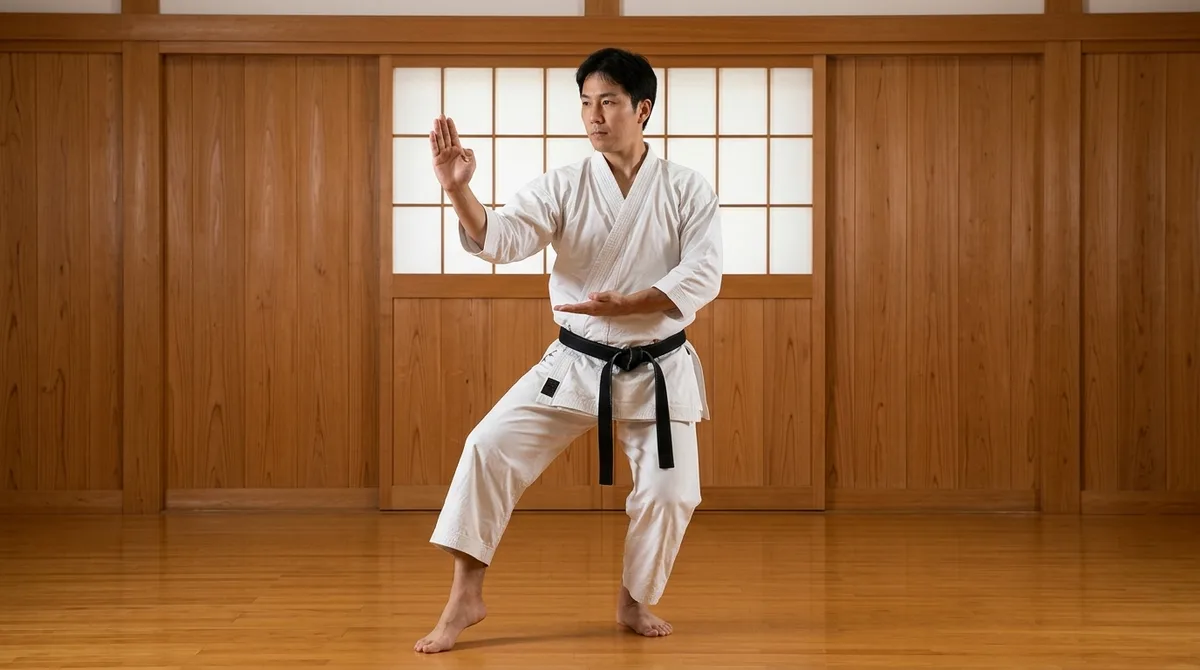
In Western pop culture, the word "Karate" often conjures images of Olympic point tournaments, plastic chest protectors, and acrobatic high kicks. Yet step inside one of the 400 modest neighborhood dojos tucked into the winding residential alleys of Naha or Shuri, and you encounter a starkly different martial world. In its native subtropical birthplace, Okinawan Karate was never conceived as an athletic sport. It was forged in secrecy as a ruthless close-quarters survival art before evolving into a lifelong path of health, mental fortitude, and longevity.
Make Breizh & Ryukyu your preferred source on Google
Get our newest Okinawa stories, travel tips and itineraries featured directly in your search results.
🥋Core Truths: Debunking Western Karate Myths
The Historical Melting Pot: From Indigenous Ti to Tōde
Before Okinawa became part of Japan in 1879, it was the independent Ryukyu Kingdom. The archipelago stood at the maritime crossroads of East Asia, maintaining deep tribute relations with imperial Ming and Qing China.
Indigenous islanders practiced an uncodified grappling and striking art called Ti (手, "hand" in Okinawan dialect). In 1392, Chinese Emperor Hongwu dispatched a permanent mission of diplomats, scribes, shipwrights, and scholars known as the Thirty-Six Families to settle in the walled Naha enclave of Kumemura.
These Chinese families brought with them southern Chinese martial arts from Fujian province, notably White Crane Boxing (Baihequan) and Tiger Fist. The fusion of island Ti and Fujian kung fu birthed Tōde (唐手, literally "Chinese Hand"), the direct ancestor of modern Karate.
Two Feudal Bans: The Secrecy Behind Empty-Hand Combat
The rapid refinement of empty-hand techniques was spurred by two pivotal historical edicts:
- King Shō Shin's Disarmament (1477-1526): The centralizing Ryukyu monarch banned the private possession of swords and iron weapons by regional feudal warlords (Anji), forcing regional lords to reside peacefully at Shuri Castle.
- The Satsuma Invasion (1609): Japanese samurai from southern Kyushu invaded Okinawa, imposing an ironclad prohibition on bladed weaponry.
Deprived of weapons, royal bodyguards practiced striking, bone-breaking joint locks (Tuite), and vital point attacks (Kyūsho-jutsu) in nocturnal garden meetings illuminated only by oil lanterns. Practice katas were encoded in precise physical choreographies passed orally from master to disciple.
Walk the ancient royal paths of Shuri with resident guide Arnaud
Discover the royal palace grounds where master bodyguards trained, visit historic cobblestone military alleys, and uncover the living heritage of Ryukyu warrior nobility.
Explore Shuri Royal Heritage Tour→1936: The Birth of "Empty Hand" (Karate)
Until the early 20th century, the art was still spelled 唐手 ("Chinese Hand"). On October 25, 1936, a historic summit of grandmasters gathered at the Showa Kaikan in Naha (including Chōmo Hanashiro, Chōjun Miyagi of Goju-Ryu, and Chōki Motobu).
Anticipating the nationalist tensions of pre-war Japan, the masters officially voted to replace the kanji 唐 ("China") with the homophone 空 ("Empty"), adopting the Zen-inspired name Karate-dō (空手道, "The Way of the Empty Hand").
Hojo Undō: The Unique Body-Hardening Tools of Okinawa
Unlike modern fitness gyms, traditional Okinawan dojos feature centuries-old supplementary conditioning apparatus (Hojo Undō):
- Makiwara: A resilient cedar or straw-wrapped wooden post anchored into the ground, struck thousands of times to condition the knuckles, align the wrist, and generate penetrating hip power.
- Nigiri-game: Heavy unglazed ceramic gripping jars filled with wet sand, carried by their rims to develop crushing finger grip and low stance stability.
- Chi-ishi: Heavy stone mallets swung in circular patterns to reinforce wrist and forearm ligaments.
- Kongoken: A massive 30-kilogram oval iron ring used for calisthenics, partner wrestling, and full-body conditioning.
Visiting a Traditional Dojo as an International Traveler
In Okinawa, a traditional dojo is not a commercial drop-in gym. It is considered a sacred sanctuary governed by strict martial etiquette (Reigi). Arriving unannounced is frowned upon.
For travelers interested in martial history, start your journey at the Okinawa Karate Kaikan in Tomigusuku, south of Naha. This world-class cultural institution houses an interactive museum, historic artifacts, training halls, and a dedicated karate information bureau connecting foreign practitioners with certified local masters.
Frequently Asked Questions About Okinawan Karate
What are the main traditional styles practiced in Okinawa?
The three historical regional lineages are Shuri-te, Tomari-te, and Naha-te. Modern traditional schools include Shorin-ryu (fast and linear, derived from Shuri), Goju-ryu (close-quarters and circular with deep Sanchin breathing, derived from Naha), and Uechi-ryu (direct Fujian tiger/crane conditioning).
Can complete beginners take a Karate trial class in Okinawa?
Yes. The Okinawa Karate Information Center (OKIC) and the Karate Kaikan coordinate beginner-friendly introductory workshops introducing basic stances, breathing exercises, and philosophical fundamentals.